Op. Dr. Özlem Aras

    IUI (Intrauterine Insemination)

    How IUI places prepared sperm in the uterus, which couples it suits and when IVF is the better next step.

    Written and medically reviewed by Op. Dr. Özlem Aras, Obstetrics & Gynecology Specialist
    IUI (Intrauterine Insemination)

    What Is IUI?

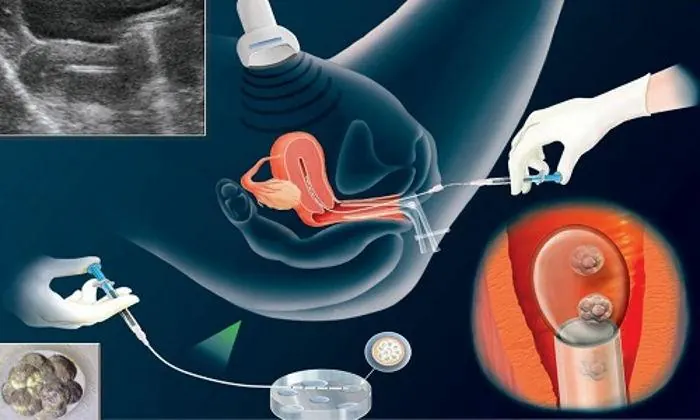
    Intrauterine insemination (IUI) means placing sperm that has been prepared in the laboratory directly into the uterus through a thin catheter, timed to ovulation.

    The aim is to shorten the distance the sperm must travel and to increase the number of motile sperm in the uterus at the moment of ovulation.

    IUI is simpler, less invasive and shorter than IVF. That is why, for couples who are suitable, IUI is tried first.

    Who Is It Suitable For?

    Unexplained infertility
    Mild male factor: sperm parameters that are borderline low
    Ovulation problems. See ovulation induction and PCOS treatment
    Problems related to the cervix
    Situations where intercourse is not possible because of sexual function problems

    Who Is It Not Suitable For?

    For IUI to work, two conditions must be met:

    1At least one fallopian tube must be open. IUI relies on fertilization taking place in the tube.
    2There must be enough motile sperm.

    So IUI is not suitable for couples with blocked tubes or a severe male factor. For them, IVF is planned directly. Couples who do not get a result from IUI attempts also move on to IVF.

    The Process

    1Initial evaluation. For the woman, hormone tests and ultrasound, and confirming that the tubes are open. For the man, a semen analysis. This step cannot be skipped: IUI with blocked tubes is a waste of time.
    2Stimulating ovulation. Mild medication support is usually given. The aim is for one or two eggs to mature. Overstimulation is avoided so that the risk of a multiple pregnancy does not rise.
    3Monitoring. Follicle growth is tracked by ultrasound.
    4Trigger shot. Given to pin down the timing of ovulation.
    5Sperm preparation. The sample is processed in the laboratory, and the motile sperm are separated and concentrated.
    6Insemination. The sperm is placed in the uterus through a thin catheter. The procedure takes a few minutes and needs no anesthesia. It is usually not painful and feels similar to having a Pap smear. You rest for a short time afterward.
    7Waiting and test. A pregnancy test is done about two weeks later.

    The whole process is completed within one menstrual cycle.

    Your Chance and the Number of Attempts

    With IUI, the chance of pregnancy in each attempt does not rise with later attempts. Most pregnancies happen within the first three or four attempts. So if there is no result after a set number of attempts, moving on to IVF is recommended rather than repeating the same method.

    How many attempts are made depends on your age, how long you have been trying to conceive and the cause of infertility. The older you are, the more time spent waiting works against you. This is the point most often overlooked when a plan is made.

    After the Procedure

    You can return to daily life the same day. Bed rest is not needed
    Mild cramping and spotting can happen and are normal
    Take any support medicines you are given regularly
    Seek medical care if you have a fever, severe abdominal pain, foul-smelling discharge or heavy bleeding

    What Determines the Cost?

    Turkish health regulations do not allow prices for medical services to be advertised. The care you need also cannot be known before tests are done.

    The items that determine the cost:

    Initial consultations and tests for both partners
    Assessment of the fallopian tubes
    Type and dose of the medicines used
    Number of monitoring ultrasounds
    Sperm preparation
    The insemination procedure itself
    Support treatments
    The number of attempts planned
    Follow-up visits

    When Should You Book?

    You are under 35 and have not become pregnant after a year (six months if you are over 35)
    Your periods are irregular
    Your partner's semen analysis showed borderline values
    IUI has been recommended to you and you want to understand the process
    You have tried IUI a few times without a result. Your plan needs to be reviewed

    Medical Author & Reviewer: Op. Dr. Özlem Aras (Obstetrics & Gynecology Specialist)

    Medical disclaimer: The information on this page is for informational purposes only and does not constitute medical advice. Please consult a healthcare professional for diagnosis and treatment.

    Would You Like to Make an Appointment?

    Call us for more information about IUI (Intrauterine Insemination) or to book an appointment.

    We'll Call You

    Reach us quickly on WhatsApp