Op. Dr. Özlem Aras

    Egg Freezing

    Freezing eggs for later use: who can have it under Turkish rules, why age matters most and how eggs are collected.

    Written and medically reviewed by Op. Dr. Özlem Aras, Obstetrics & Gynecology Specialist
    Egg Freezing

    What Is Egg Freezing?

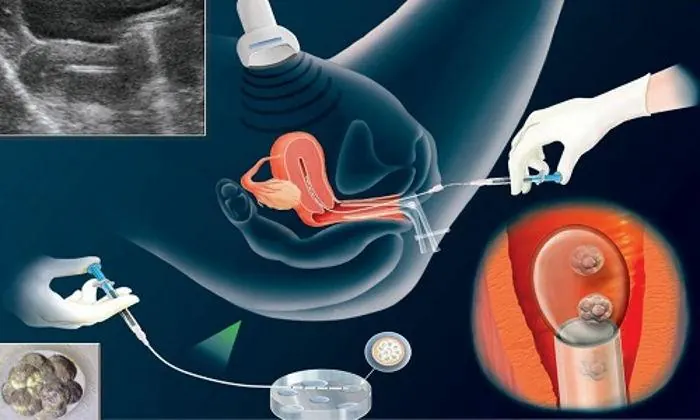
    Egg freezing means collecting a woman's eggs and storing them using a very rapid freezing method called vitrification. When they are needed, the eggs are thawed and fertilized, and the resulting embryo is transferred to the uterus.

    The method rests on one fact: what mainly determines a woman's fertility is not the age at which she tries to conceive, but the age of her eggs. Eggs decline in both number and quality with age, and this decline speeds up after 35. Egg freezing stops that clock at the point of freezing.

    Who Considers It?

    Medical Reasons

    Before chemotherapy or radiotherapy: these treatments can permanently reduce ovarian reserve. Timing is critical here, and the conversation should happen before cancer treatment starts.
    Before ovarian surgery: especially operations that may affect reserve, such as surgery for an endometrioma (chocolate cyst). See endometriosis treatment
    Risk of early menopause: a family history of early menopause. See early menopause treatment
    Ovarian reserve that is low for your age
    Autoimmune diseases and some genetic conditions

    Under Turkish assisted reproduction regulations, egg freezing is allowed only when there is a medical reason, such as the situations listed above. "Social" egg freezing, done only to postpone motherhood without a medical reason, is not permitted in Turkey. For unmarried women, for example with diminished ovarian reserve documented by testing, the decision requires approval by a specialist board. Your eligibility is confirmed at the first assessment.

    The Process

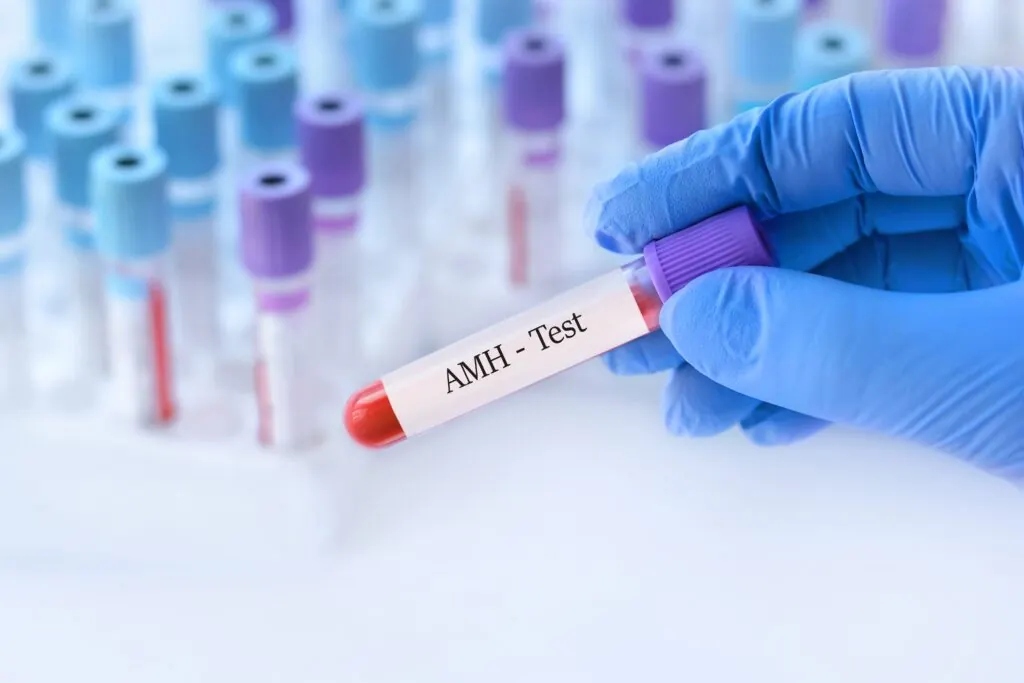
    1Evaluation. Ovarian reserve testing (AMH and antral follicle count), hormone tests, ultrasound and a general health check. This evaluation is key to predicting how many eggs can be collected.
    2Ovarian stimulation. Medication is used so that more than one egg matures. This usually takes around 10 to 12 days. The dose and protocol are set according to your reserve.
    3Monitoring. Follicle growth is tracked with ultrasound and blood tests, and you come in for several checks during this phase.
    4Egg retrieval. Done under light sedation, guided by ultrasound. It takes 15 to 20 minutes, and you go home the same day.
    5Freezing and storage. Mature eggs are frozen by vitrification and kept in storage tanks.
    6Future use. When you need them, the eggs are thawed and fertilized by microinjection (ICSI), and the embryo is transferred (see IVF treatment).

    Up to What Age Does It Make Sense?

    This is the question asked most often, and the honest answer is: eggs frozen at a younger age are more valuable than eggs frozen later.

    As you get older, fewer eggs are collected and egg quality falls. Freezing at an older age may need more cycles for the same number of eggs, and the future chance of pregnancy is lower.

    So the real question is not "should I freeze my eggs?" but "what is my reserve now, and how long can I postpone?" That can only be answered with your test results.

    Realistic Expectations

    Egg freezing is not a guarantee of pregnancy. Not every frozen egg survives thawing, not every egg that survives is fertilized, and not every embryo results in a pregnancy.
    How many eggs are enough depends on your age. At a younger age, fewer eggs carry a higher chance.
    The process may need more than one cycle.
    Ask the center where you are treated for up-to-date information on legal regulations and storage conditions.

    After the Procedure

    Mild bloating and cramping can last a few days. Report abdominal swelling that increases quickly, rapid weight gain, severe pain or shortness of breath without delay. These can be signs of ovarian hyperstimulation syndrome (OHSS).

    What Determines the Cost?

    Turkish health regulations do not allow prices for medical services to be advertised. The care you need also cannot be known before your ovarian reserve has been assessed.

    The items that determine the cost:

    Initial consultation and tests
    Medication dose and duration, set according to your reserve. This is the most variable item
    Monitoring ultrasounds
    Egg retrieval and anesthesia
    Freezing in the laboratory
    How long the eggs are stored
    Thawing, fertilization and transfer when you use the eggs later
    How many cycles are done

    When Should You Book?

    Chemotherapy or radiotherapy is planned: come without waiting, before treatment starts
    Ovarian surgery is planned
    You are in your 30s and want to know your ovarian reserve. Act early (freezing itself is allowed in Turkey only for a medical reason)
    You have a family history of early menopause
    Your reserve test came back low for your age

    Medical Author & Reviewer: Op. Dr. Özlem Aras (Obstetrics & Gynecology Specialist)

    Medical disclaimer: The information on this page is for informational purposes only and does not constitute medical advice. Please consult a healthcare professional for diagnosis and treatment.

    Would You Like to Make an Appointment?

    Call us for more information about Egg Freezing or to book an appointment.

    We'll Call You

    Reach us quickly on WhatsApp