Endometriosis Treatment
Endometrial-like tissue outside the uterus: pain, chocolate cysts, effects on fertility and when surgery is considered.
Written and medically reviewed by Op. Dr. Özlem Aras, Obstetrics & Gynecology Specialist
What Is Endometriosis?
Endometriosis is a condition in which tissue similar to the lining of the uterus (endometrium) grows outside the uterus. This tissue is most often found on the ovaries, the fallopian tubes, the area behind the uterus and the lining of the abdomen (peritoneum).
This is what causes the problem: the tissue also responds to hormones every month, thickens and bleeds. Blood inside the uterus leaves the body through the vagina, but blood outside the uterus has nowhere to go. The result is inflammation, adhesions and, over time, permanent tissue damage where the tissue sits.
It is one of the most often delayed diagnoses. Treating severe period pain as "normal" is the main reason diagnosis is delayed for years. If you need more painkillers every year, this is not a medication problem but a diagnosis problem.
Symptoms
How severe the pain is does not always match how widespread the disease is. Small lesions can cause very severe pain, while widespread disease can cause no symptoms.
What Is a Chocolate Cyst?
When endometriosis tissue settles on an ovary, old blood collects there each month and forms a dark brown fluid. Because of how it looks, this is called a chocolate cyst (endometrioma).
A chocolate cyst is different from a simple ovarian cyst: it does not go away on its own, and it can affect your ovarian reserve.
How Is It Diagnosed?
Treatment Options
Treatment is planned for you individually, based on how severe the pain is, how widespread the disease is, your age and whether you want children. Endometriosis is a chronic disease. The goal is not to get rid of it for life but to keep your symptoms under control and protect your fertility.
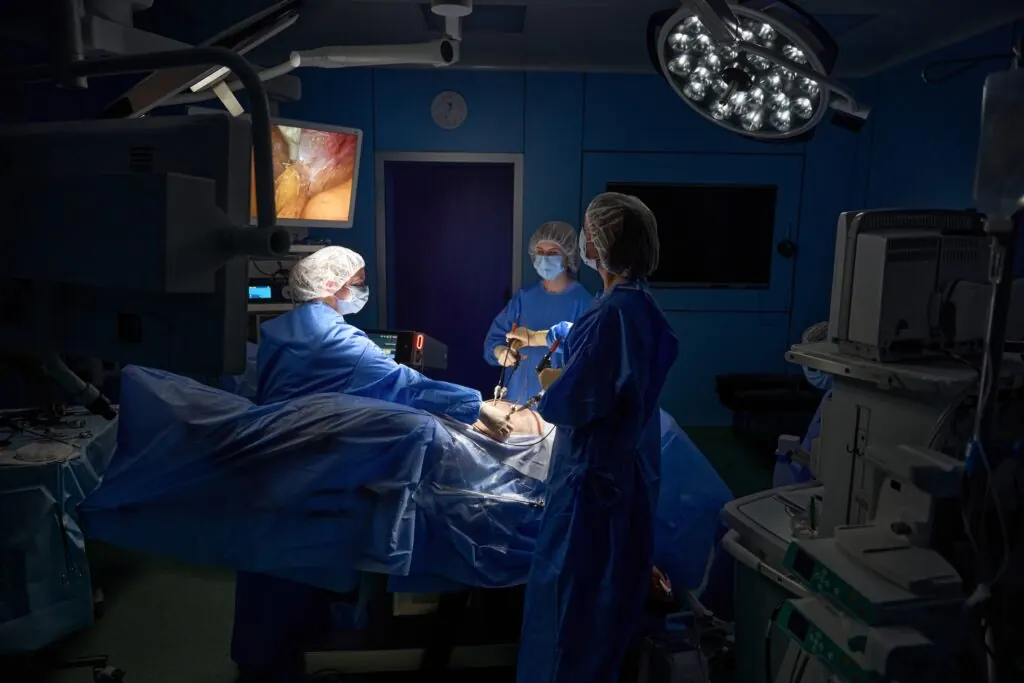
The Key Point in Deciding on Surgery
When a chocolate cyst is removed, the operation can also reduce healthy ovarian tissue. That is why, especially if you are planning a pregnancy, the decision to operate should be made together with an assessment of your ovarian reserve.
The right question is not "should the cyst be removed?" but "in my situation, what should be done first?"
Endometriosis and Pregnancy
Endometriosis can make it harder to get pregnant. Adhesions can disrupt how the tubes work, and the inflammatory environment can affect egg quality. However, many women with endometriosis get pregnant naturally. The diagnosis does not mean you cannot get pregnant.
If you are planning a pregnancy, it is important not to put it off. A plan is made by considering your age and ovarian reserve together.
What Determines the Cost?
Turkish health regulations do not allow prices for medical services to be shared through advertising. The scope of care you need also cannot be known before an examination and imaging, because the same condition may be treated with medication or with surgery.
The cost depends on: the initial consultation and ultrasound, MRI if needed, blood tests (including ovarian reserve assessment) and follow-up visits if monitoring is chosen. If surgery is needed, it also depends on the preoperative tests, the surgical method, anesthesia, the length of the operation, the hospital stay, pathology testing and later follow-up visits.
When Should You See a Doctor?
Medical Author & Reviewer: Op. Dr. Özlem Aras (Obstetrics & Gynecology Specialist)
Medical disclaimer: The information on this page is for informational purposes only and does not constitute medical advice. Please consult a healthcare professional for diagnosis and treatment.
We'll Call You
Reach us quickly on WhatsApp