PCOS Treatment
How PCOS is diagnosed, why insulin resistance matters and how treatment differs if you are or are not planning a pregnancy.
Written and medically reviewed by Op. Dr. Özlem Aras, Obstetrics & Gynecology Specialist
What Is Polycystic Ovary Syndrome (PCOS)?
Polycystic ovary syndrome is the most common hormonal disorder in women of reproductive age. The word "cyst" in the name is misleading: there are no cysts that need treatment. The small structures seen on ultrasound are follicles that have not finished maturing.
PCOS is less a disease of the ovaries than a metabolic and hormonal condition that affects the whole body. That is why treatment looks beyond your periods to your long-term health.
Symptoms
Symptoms vary widely from one woman to another. Slim women can have PCOS too. Being overweight is not required for the diagnosis, and assuming otherwise is a common mistake.
How Is It Diagnosed?
No single test confirms PCOS. The diagnosis requires at least two of these three findings:
Conditions that can look similar, such as thyroid disease, high prolactin and adrenal gland disorders, must be ruled out. So "polycystic-looking ovaries on ultrasound" is not a PCOS diagnosis on its own.
Tests usually include a hormone panel, thyroid function, fasting blood sugar and insulin, HbA1c and blood lipids.
Insulin Resistance: The Center of the Picture
Many women with PCOS have insulin resistance. The body does not respond well to insulin, so the pancreas releases more of it. High insulin then drives the ovaries to make more male hormones and disrupts ovulation.
This cycle explains why lifestyle changes matter as much as medication in PCOS. Over time, insulin resistance also raises the risk of type 2 diabetes and cardiovascular disease. That is why PCOS cannot be treated as "just irregular periods."
Treatment
Treatment depends on your goal. There is no single "PCOS drug."
1. Lifestyle: The Base of Every Plan
If you are overweight, even modest weight loss can bring ovulation back. An eating pattern that keeps blood sugar steady, regular physical activity and a regular sleep routine form the base of treatment. When this step is skipped, other treatments have limited effect.
For a whole-body approach, see our functional medicine page.
2. If You Are Not Planning a Pregnancy
Hormonal treatment can regulate your periods and protect the lining of the womb (endometrium). This protection matters because going a long time without periods can make the lining grow too thick.
Excess hair and acne are treated with a separate plan, and results appear over months.
3. If You Are Planning a Pregnancy
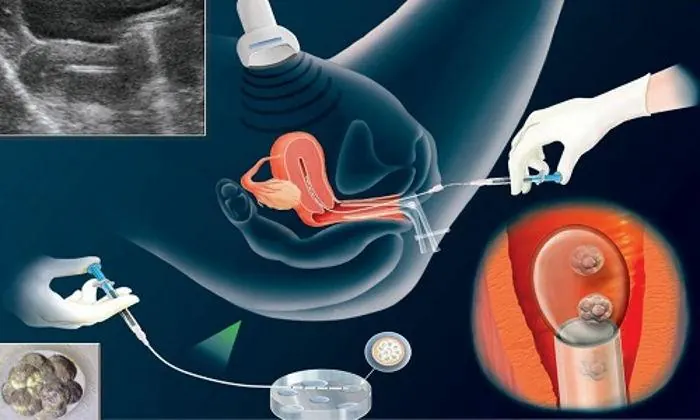
The priority is to restore ovulation. Ovulation induction is used to stimulate it. If there is no response, IUI or IVF may be considered.
Treating insulin resistance can improve your response during this process.
The choice of medication, dose and duration is made for each patient, so no drug names are given here.
Long-Term Follow-Up
PCOS begins in adolescence and continues until menopause, and its symptoms change with age. Regular follow-up should track:
Follow-up should continue even when symptoms settle. The main risk of PCOS lies less in day-to-day complaints than in its long-term metabolic effects.
What Determines the Cost?
Turkish health regulations do not allow prices for medical services to be advertised. The scope of care you need also cannot be known before an examination and tests.
The cost depends on: the initial examination and ultrasound, hormone and metabolic tests, how often you need follow-up based on your treatment goal, the treatment step used if you want to get pregnant, and regular checkups.
When Should You See a Doctor?
Medical Author & Reviewer: Op. Dr. Özlem Aras (Obstetrics & Gynecology Specialist)
Medical disclaimer: The information on this page is for informational purposes only and does not constitute medical advice. Please consult a healthcare professional for diagnosis and treatment.
We'll Call You
Reach us quickly on WhatsApp