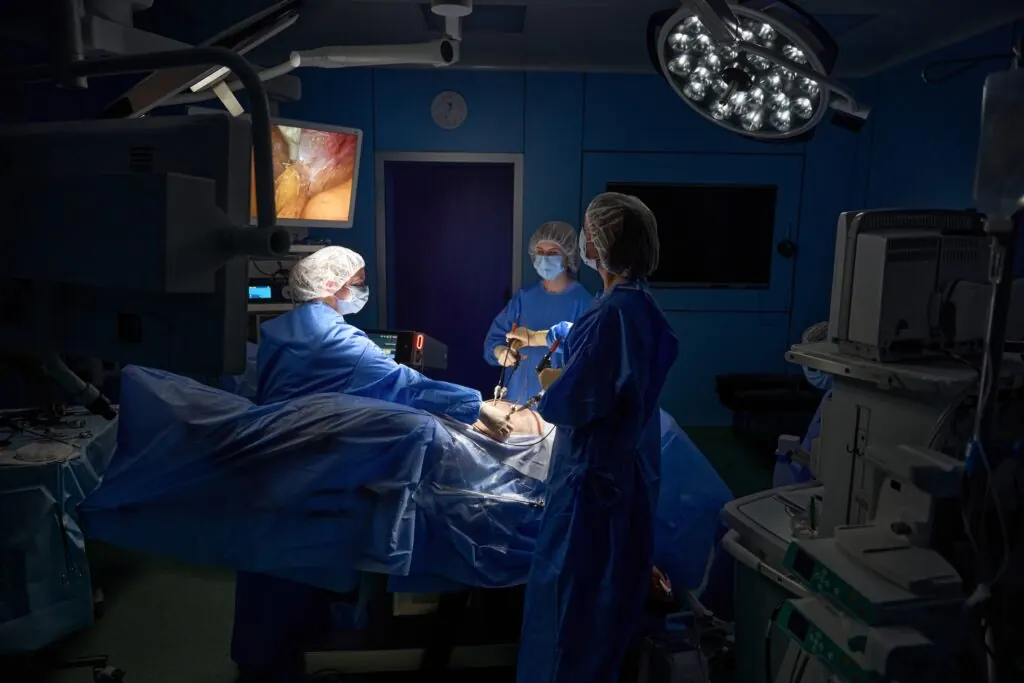
LEEP Procedure
A thin wire loop removes precancerous cervical tissue for testing and treatment: preparation, recovery and effect on pregnancy.
Written and medically reviewed by Op. Dr. Özlem Aras, Obstetrics & Gynecology Specialist

What Is a LEEP Procedure?
LEEP (loop electrosurgical excision procedure) removes precancerous tissue from the cervix with a thin wire loop.
The procedure has two purposes, and this is what makes it valuable:
LEEP is not cancer surgery. The large majority of women who have a LEEP do not have cancer. The aim is to stop cancer from developing in the first place.
Who Needs a LEEP?
For screening and what the results mean, see our HPV and smear test page.
How Is It Done?
The procedure is done under colposcopy, with the abnormal area in view. An electric current passes through the thin wire loop and removes the tissue. The same current also controls bleeding.
The procedure usually takes 10 to 20 minutes. In most cases local anesthesia is enough: a numbing medication is applied to the cervix. Light sedation may be preferred in some cases.
You go home the same day.
Preparation
Aftercare
Healing takes a few weeks. During this time:
Seek care without delay if you have bleeding heavier than a period or large clots, fever, foul-smelling discharge, or severe lower abdominal pain that does not go away.
Effect on Pregnancy
This is the most common concern, and a reasonable one, since LEEP removes tissue from the cervix.
What you should know:
Follow-Up
LEEP does not end your follow-up. HPV may still be present, so smear and HPV tests are repeated at set intervals. This follow-up confirms that the changes have not come back, and you should not skip it.
What Determines the Cost?
Turkish health regulations do not allow prices for medical services to be advertised. The scope of treatment you need also cannot be known until your colposcopy and biopsy results have been reviewed.
The cost depends on the initial assessment, the colposcopic examination, the procedure itself, the type of anesthesia (local or sedation), where the procedure is done, pathology examination of the removed tissue, and follow-up visits and control tests.
When to See a Doctor
Medical Author & Reviewer: Op. Dr. Özlem Aras (Obstetrics & Gynecology Specialist)
Medical disclaimer: The information on this page is for informational purposes only and does not constitute medical advice. Please consult a healthcare professional for diagnosis and treatment.
We'll Call You
Reach us quickly on WhatsApp