
Hysteroscopy
A thin camera passed through the cervix to view the uterine cavity without any incision, to find and treat polyps and adhesions.
Written and medically reviewed by Op. Dr. Özlem Aras, Obstetrics & Gynecology Specialist
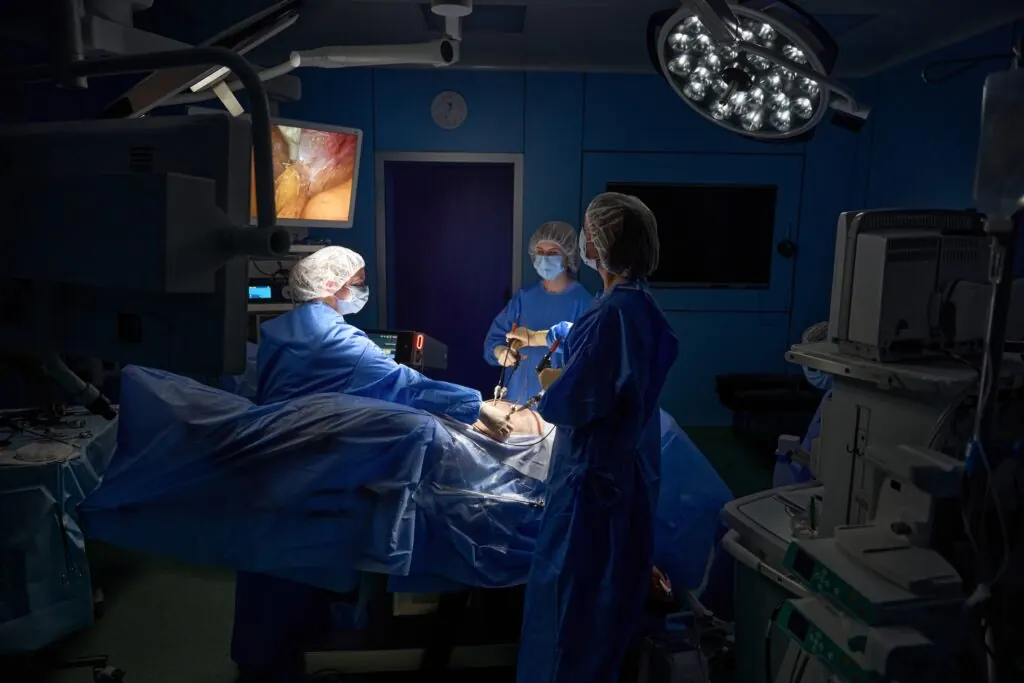
What Is Hysteroscopy?
Hysteroscopy is a direct look inside the uterus with a thin camera called a hysteroscope. The device is passed through the cervix, and no incision is made in the abdomen.
This is the key difference from ultrasound. Ultrasound shows the uterus from the outside, while hysteroscopy gives a real image of the inside of the uterine cavity. This means small polyps, adhesions and irregularities of the lining that may not show on ultrasound can be found.
Why Is It Done?
Diagnostic Hysteroscopy
Operative Hysteroscopy
How Is It Done?
A thin camera is passed through the cervix. The uterine cavity is gently expanded with sterile fluid to give a clear view, and the image is shown on a screen.
Diagnostic hysteroscopy usually takes 5 to 10 minutes. In most cases it needs no anesthesia and can be done in an office setting. Operative hysteroscopy takes longer, and light sedation or general anesthesia is usually preferred.
In both cases, you go home the same day.
Does It Hurt?
During diagnostic hysteroscopy, most women describe brief discomfort similar to period cramps. Thinner instruments have reduced this considerably. If you are worried, talk about painkillers and anesthesia options before the procedure.
Timing and Preparation
Afterward
Light bleeding, spotting and cramping for a few days are expected. After a diagnostic procedure you can return to daily life the same day. After an operative procedure, a day or two of rest may be advised.
Avoid sex, tampons, swimming pools and the sea for as long as your doctor advises.
Seek care promptly if you have bleeding heavier than a period, fever, foul-smelling discharge, or abdominal pain that keeps getting worse.
What Determines the Cost?
Turkish health regulations do not allow prices for medical services to be advertised. The scope also cannot be known before an examination and ultrasound, because these show whether the procedure will be diagnostic or operative.
The cost depends on: the initial consultation and ultrasound, the type of procedure (diagnostic or operative), the need for anesthesia, the device and consumables used, where the procedure is done, pathology examination of any tissue removed, and the follow-up visit.
When to See a Doctor
Medical Author & Reviewer: Op. Dr. Özlem Aras (Obstetrics & Gynecology Specialist)
Medical disclaimer: The information on this page is for informational purposes only and does not constitute medical advice. Please consult a healthcare professional for diagnosis and treatment.
We'll Call You
Reach us quickly on WhatsApp