Op. Dr. Özlem Aras

    Cellulite and Stretch Mark Treatment

    Cellulite and stretch marks are different problems with different treatments: what can be improved and what to expect.

    Written and medically reviewed by Op. Dr. Özlem Aras, Obstetrics & Gynecology Specialist
    Cellulite and Stretch Mark Treatment

    Cellulite and Stretch Marks: Two Different Problems

    Cellulite and stretch marks are often mentioned together, but they are completely different conditions:

    Cellulite: An orange-peel look caused by fat under the skin pushing up between bands of connective tissue. It is a problem of fat distribution and connective tissue.
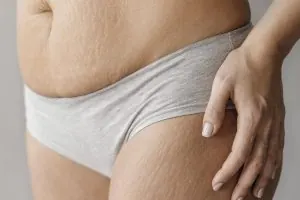
    Stretch marks (striae): Caused by the supporting fibers of the skin tearing when the skin stretches quickly. A stretch mark is a type of scar.

    Their treatments are also different, so the first step is to find out which one is the main problem.

    What Causes Cellulite?

    Cellulite is not a disease, and it does not simply mean being overweight. Slim women get it too. It is so common in women for anatomical reasons: in women, the connective tissue bands under the skin run vertically, which makes it easier for fat to push upward.

    Factors that play a role:

    Genetic predisposition: the most decisive factor
    Hormonal effects: especially estrogen
    Slower local circulation and lymph flow
    Inactivity and sitting for long periods
    Weight changes
    Smoking

    What Causes Stretch Marks?

    When the skin stretches quickly, the collagen and elastin fibers in the dermis tear. Two factors work together: mechanical stretching (pregnancy, rapid weight gain, growth spurts in puberty) and hormonal effects (raised cortisol reduces collagen production).

    Whether a stretch mark is red or white determines how well it responds to treatment.

    Red or purple (early stage): The skin is still actively repairing itself. The response to treatment is greatest at this stage.
    White (late stage): A mature scar. The response is slower and more limited.

    If you notice a stretch mark while it is still red, do not wait.

    Treatment Methods

    The method is chosen according to the type and degree of the problem, the area and your skin type. Several methods are usually combined.

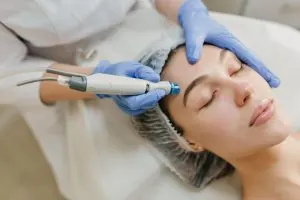
    Microneedling: Stimulates collagen production through controlled micro-injury in the dermis. It is one of the most commonly used methods for stretch marks.
    Fractional laser: Improves tissue quality and uneven texture
    Radiofrequency: Uses heat to remodel collagen in the deeper layers; for cellulite and skin tightening
    Mesotherapy: Mixtures that support tissue repair, delivered under the skin
    Chemical peeling: Renews the skin surface; used as a supporting treatment
    Topical treatments: Used alongside the other methods

    Realistic Expectations

    This field attracts a lot of exaggerated advertising. Here is a realistic picture:

    Cellulite cannot be removed completely. The goal is to reduce how it looks and improve skin quality. Be wary of claims that promise to get rid of cellulite.
    Stretch marks cannot be erased completely. The goal is to bring their color closer to your skin tone, reduce uneven texture and improve the tissue.
    Creams moisturize the skin; they do not remove a stretch mark that has already formed. Stretch marks form in the dermis, and most of a product applied to the surface cannot reach that layer in sufficient amounts.
    Treatments are given as a series of sessions. Collagen forms at its own natural pace, so results build gradually over weeks, not after one session.
    If your weight keeps going up and down, the result cannot be maintained.

    Can Stretch Marks Be Prevented in Pregnancy?

    The factor that most determines whether you get stretch marks is genetic predisposition, and it cannot be changed. No cream can guarantee that stretch marks will not form.

    That said, the steps you can take are harmless: keep weight gain steady, moisturize your skin regularly, drink enough water, and get enough protein and vitamin C. Moisturizing does not prevent stretch marks, but it does reduce itching.

    Not every product is suitable during pregnancy, so ask your doctor before using one. See pregnancy and birth.

    After birth, stretch marks fade somewhat on their own. Some of this natural fading is to be expected, and a plan is made afterward based on how the remaining marks look.

    When Is Extra Caution Needed?

    Pregnancy and breastfeeding, assessed according to the method
    Active infection or an open wound in the area
    Darker skin types: there is a risk of color change, so the method is chosen carefully
    A tendency to form keloids (raised, overgrown scars)
    Bleeding disorders
    Stretch marks that are multiplying quickly without a weight change to explain them. A hormonal assessment should come first.

    What Determines the Cost?

    Turkish health regulations do not allow prices for medical services to be advertised. The scope of treatment you need also cannot be known without an examination.

    The cost depends on the initial examination, the chosen method or combination of methods, the size of the area treated (the abdomen and the thighs are not the same), the number of planned sessions, the devices and products used, skincare products before and after treatment, and follow-up visits.

    When comparing options, look at the scope of the full plan rather than the fee for a single session.

    When to See a Doctor

    Your stretch marks are still red or purple, which is the most suitable time for treatment
    Natural fading after birth has finished, but the marks still bother you
    Cellulite persists despite exercise and weight management
    Stretch marks are multiplying quickly without a clear weight change. A hormonal assessment is needed.
    You want to know which method suits you

    Medical Author & Reviewer: Op. Dr. Özlem Aras (Obstetrics & Gynecology Specialist)

    Medical disclaimer: The information on this page is for informational purposes only and does not constitute medical advice. Please consult a healthcare professional for diagnosis and treatment.

    Would You Like to Make an Appointment?

    Call us for more information about Cellulite and Stretch Mark Treatment or to book an appointment.

    We'll Call You

    Reach us quickly on WhatsApp